- May 20
More Than Shelter: Compassion, Trust, and the People Behind Animal Welfare - Featuring Abigail Lohnes
- Ashley Divona
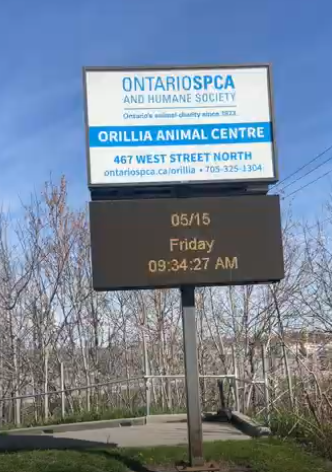
For more than 150 years, the Ontario SPCA and Humane Society has existed to protect and care for animals in communities across Ontario. Founded in 1873, the organization emerged during a time when animals were heavily relied upon for transportation and labour, often with few protections in place.
Today, while the work has evolved, the heart of it remains the same: compassion, dignity, and care.
At the Orillia and District Animal Centre, that care extends beyond the animals themselves. It also includes the people navigating difficult and emotional decisions surrounding the pets they love.
For Abigail Lohnes Animal Care Coordinator, some of the most meaningful moments are not the largest successes, but the quiet human interactions that happen every day. Often, families arrive carrying decisions they never imagined they would have to make. There is uncertainty, emotion, and grief in those conversations. What stands out most is the shift that happens when people realize they are not being judged, but supported.
“The conversation becomes less about guilt or uncertainty and more about making sure their pet is safe, loved, and given the best possible next step,” Abigail explains.
Those moments stay with her because they reveal something deeper about the work.
“It is not only about animals,” she says. “It is also about helping people through some of their most emotional decisions with compassion and dignity.”
Through this work, Abigail has also witnessed something unexpected within the community: quiet compassion that often goes unseen.
Every day, individuals step forward to foster animals, donate supplies, volunteer their time, or simply share adoptable animals online. While these actions may seem small on their own, together they form the foundation that allows the centre to continue caring for animals in need.
Volunteers, in particular, play a role far beyond helping.
“They are the heart of everything we do,” Abigail shares.
From walking dogs and socializing cats to creating moments of play, comfort, and connection, volunteers help make shelter life more enriching while animals wait for their forever homes. Their presence helps animals feel seen as individuals, allowing their personalities to emerge and increasing their chances of adoption.
Success, Abigail explains, is not always immediate or visible.
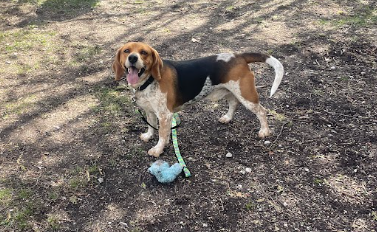
Sometimes it looks like a dog beginning to wag its tail again. A cat rediscovering play after weeks of uncertainty. An animal slowly learning to trust and feel safe. “These changes may be subtle,” she says, “but they are meaningful signs of wellbeing improving.”
At its core, the work is about protecting the bond between people and their pets while ensuring animals remain surrounded by care and compassion, no matter the circumstances. What many people do not often ask, Abigail reflects, is why someone chooses to do this work despite its emotional weight.
Her answer is simple: because there is hope in it.
There is hope in watching animals heal, grow comfortable, and eventually find loving homes. There is hope in every small improvement, every second chance, and every life changed through compassion and care.
And perhaps most importantly, there is trust.
“One reflection I do not often get the chance to share is how much this work is shaped by trust,” Abigail explains. “Not just between people and animals, but between people themselves.”
That trust is built through conversations where people feel heard instead of judged, supported instead of ashamed, and reassured that they are doing the best they can in difficult circumstances.
In the end, the work is not only about animal welfare. It is about meeting both animals and people with patience, dignity, and compassion during moments of vulnerability.